Technical and Operational Consulting for High-Moisture and Rehydrated Grains
Training

Training technical and operational applied to field routines.

Training for technicians, managers and operators from companies and farms, focused on preparation, processing and storage of high-moisture and rehydrated grains in silage bags or bunkers.

TechniciansOperatorsCompaniesFarmsHigh-moisture grainsRehydrated grains
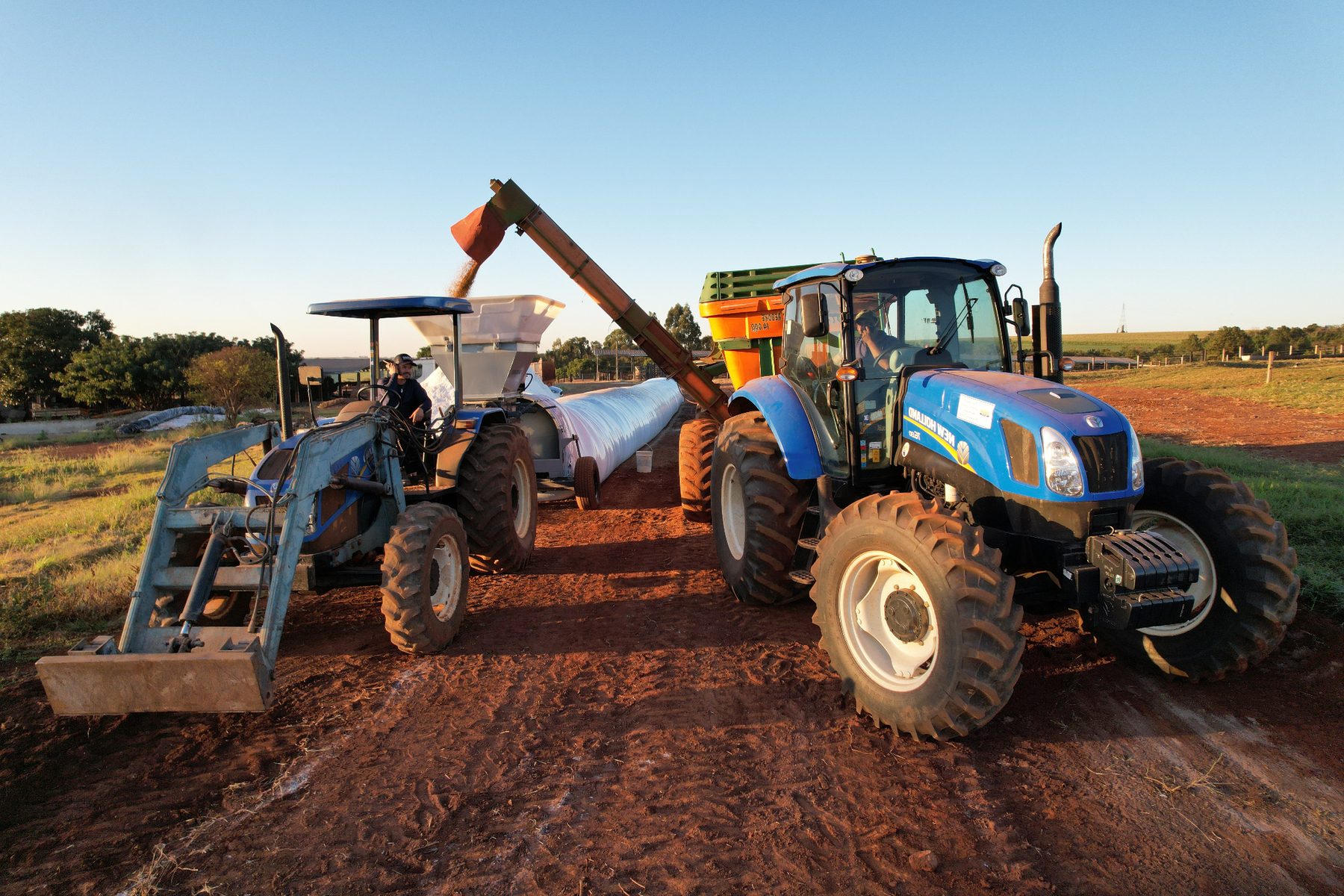
Treinamento MillS em operação de campo com silo-bolsa
Applied training

Understand the process to execute consistently.

Training connects technical fundamentals, machine setup, operating routines and results control. The goal is for the team to know what to observe before, during and after the operation and to correct deviations with sound criteria.

The program was structured from the technical content used by MillS in training on silages, high-moisture and rehydrated grains, with modules on processing, storage, rehydration, particle size, operational control and feasibility.

Technical-operational program

From raw material to storage.

Modules are adjusted to each company or farm, considering grain, moisture, machine, capacity, team and storage system.

01

Operational planning

Yard organization, bag alignment and layout, terrain, machine flow, supply, water, hoses and unloading logistics.

02

High-moisture and rehydrated grains

Operational differences between systems, material moisture, ease of processing, availability, harvest, purchasing and storage strategy.

03

Milling and setup

Cracker rolls and hammer mills, intended use, roll gap, belts, pulleys, tooth position, processing tests and spare parts.

04

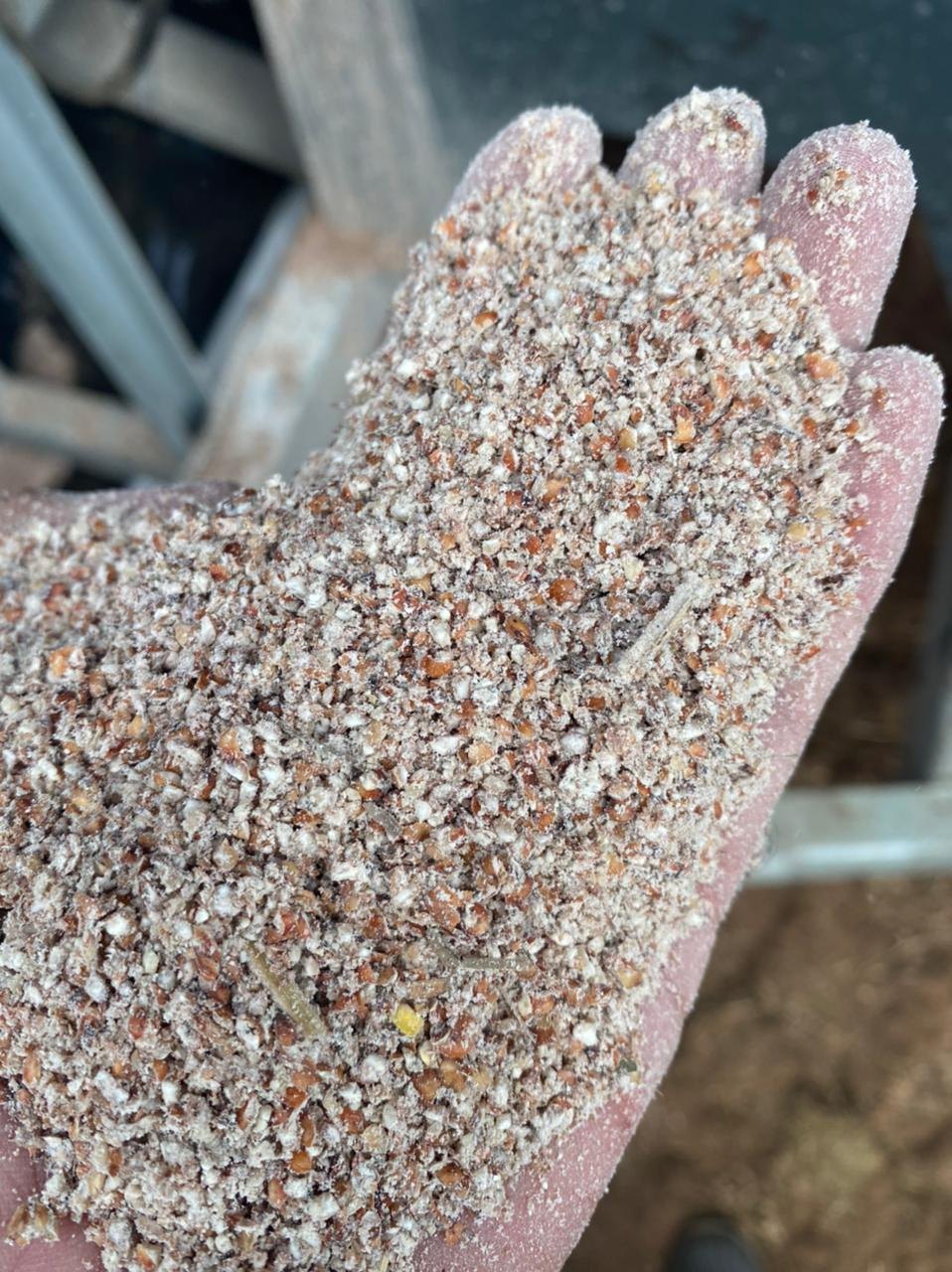
Particle size and sampling

Sample collection, sieves, mean particle size and distribution, interpretation of processed material and correction of whole kernels or out-of-spec particles.

05

Rehydration and water

Liters-per-ton calculation, flowmeter reading, hourly flow, verification of applied volume and adjustment according to initial moisture and target.

06

Inoculant and fermentation

Operational use of inoculants, solution preparation, application, oxygen reduction, sealing and factors that affect stability of stored material.

07

Silage bag and bunker

Practical comparison of systems, compaction, sealing, daily feedout, oxygen exposure, storage organization and monitoring.

08

Control and cost per ton

Throughput, water and inoculant use, bag stretch, travel, operating hours, records and operating cost per ton.

Technical basis

The grain changes. Setup and storage must change with it.

Training addresses differences among materials and systems without turning an operation into a fixed recipe.

High-moisture grains

Harvest and processing at higher moisture.

  • In the material MillS, o módulo trabalha com faixa de 35 a 40% de umidade como referência operacional.
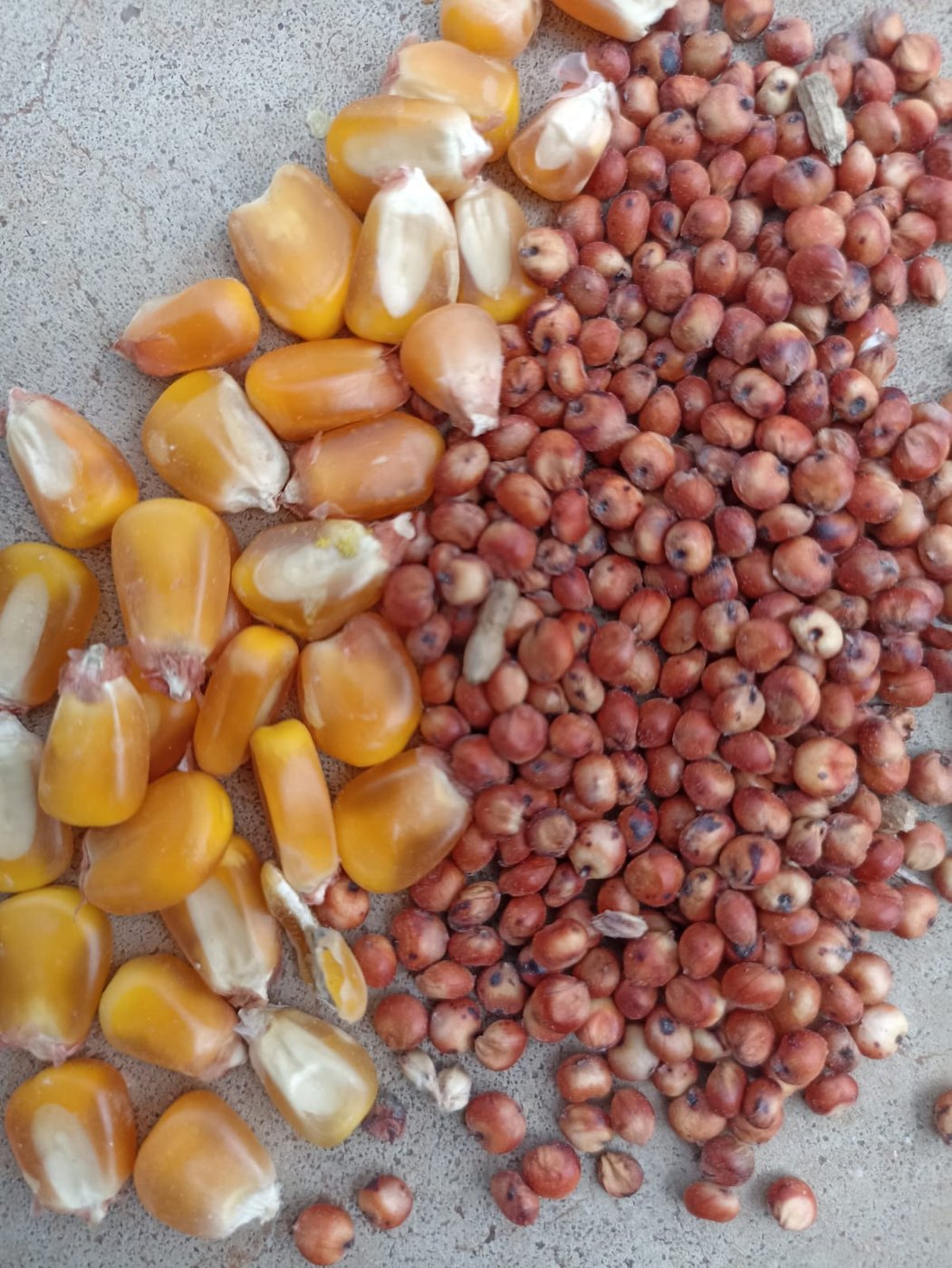
  • Emphasis on harvest timing, ease of processing and fewer drying/classification steps.
  • Storage and fermentation must be planned together with processing capacity.
Rehydrated grains

Water, uniformity and process control.

  • Starting with grain below 35% moisture, according to the training program.
  • Water per ton and application flow become part of operational control.
  • Processing, inoculation, sealing and storage time must work as a system.
Real operation images

From whole grain to material ready for storage.

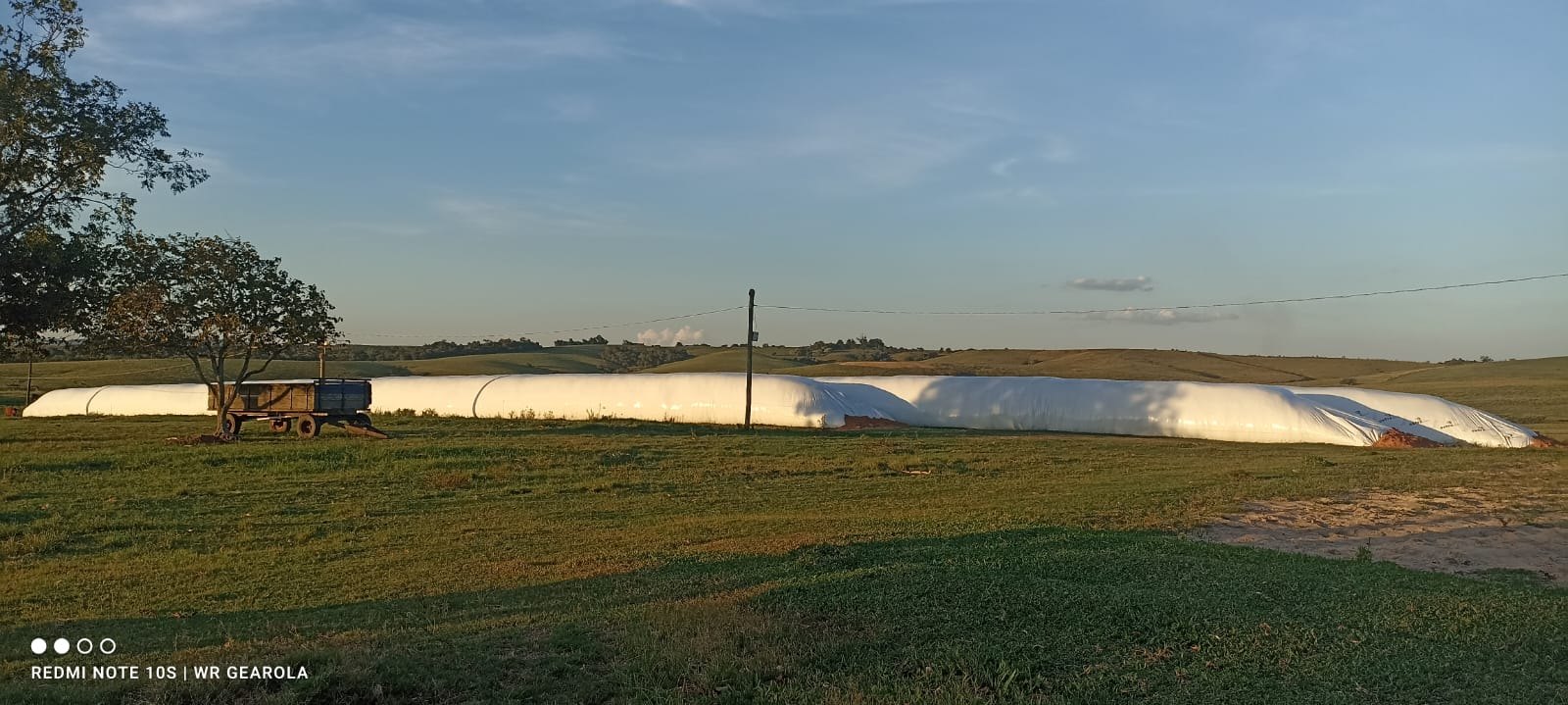
Material processado armazenado em silo-bolsa
Silage-bag storage
Comparação visual de milho e sorgo
Raw material identification
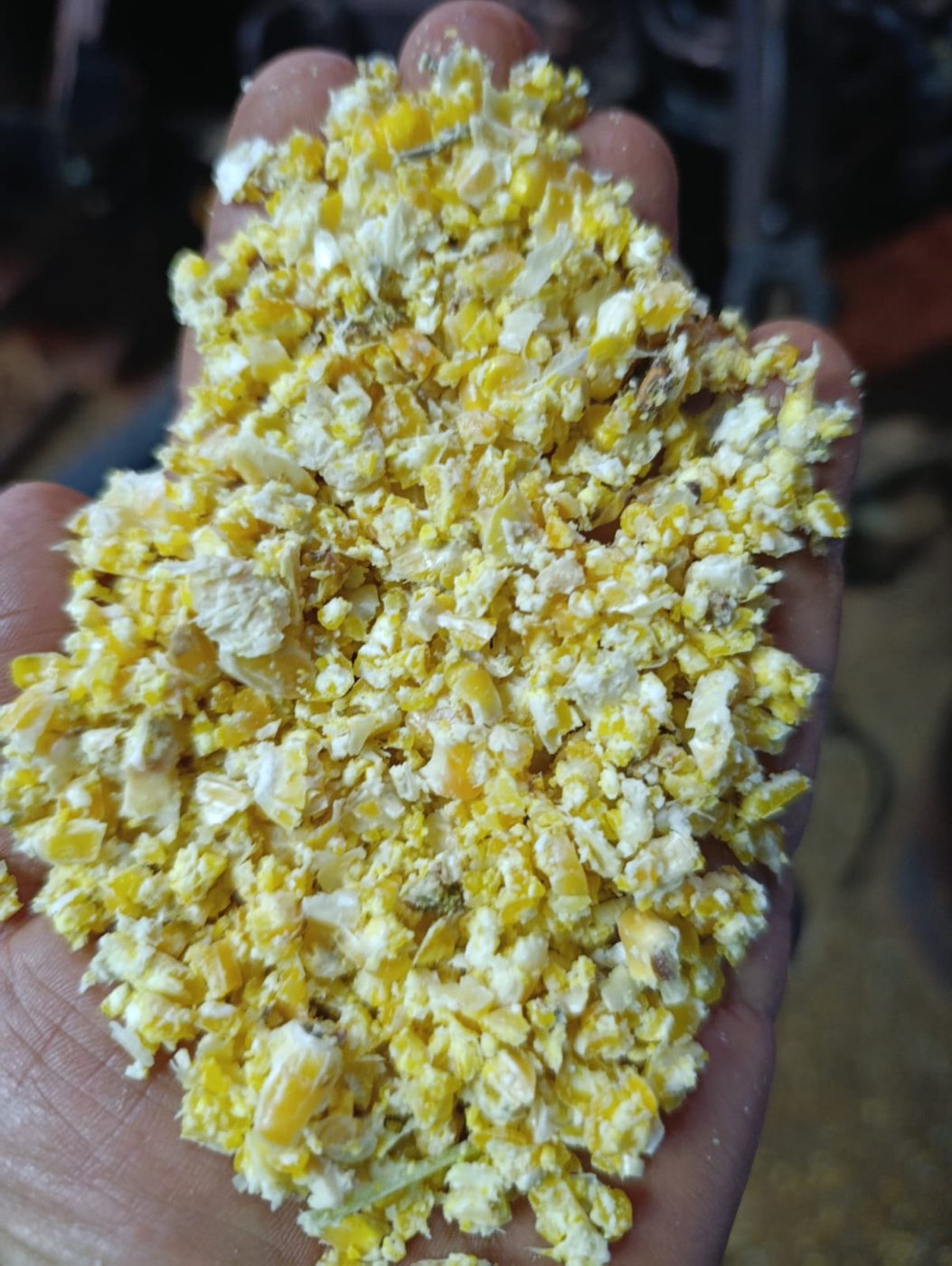
Milho processado em avaliação visual
Processing assessment
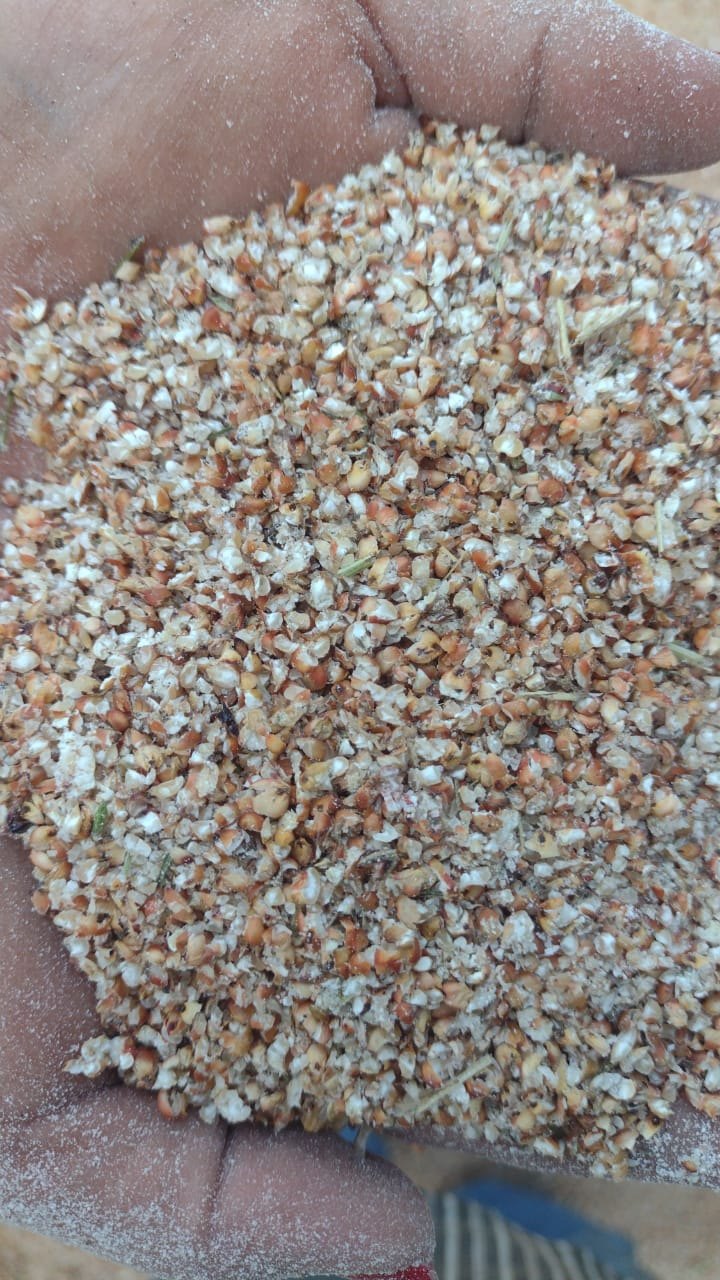
Sorgo processado na mão
Sorghum particle size
Armazenamento em silo trincheira
Bunker silo in the field
Technical storage assessment

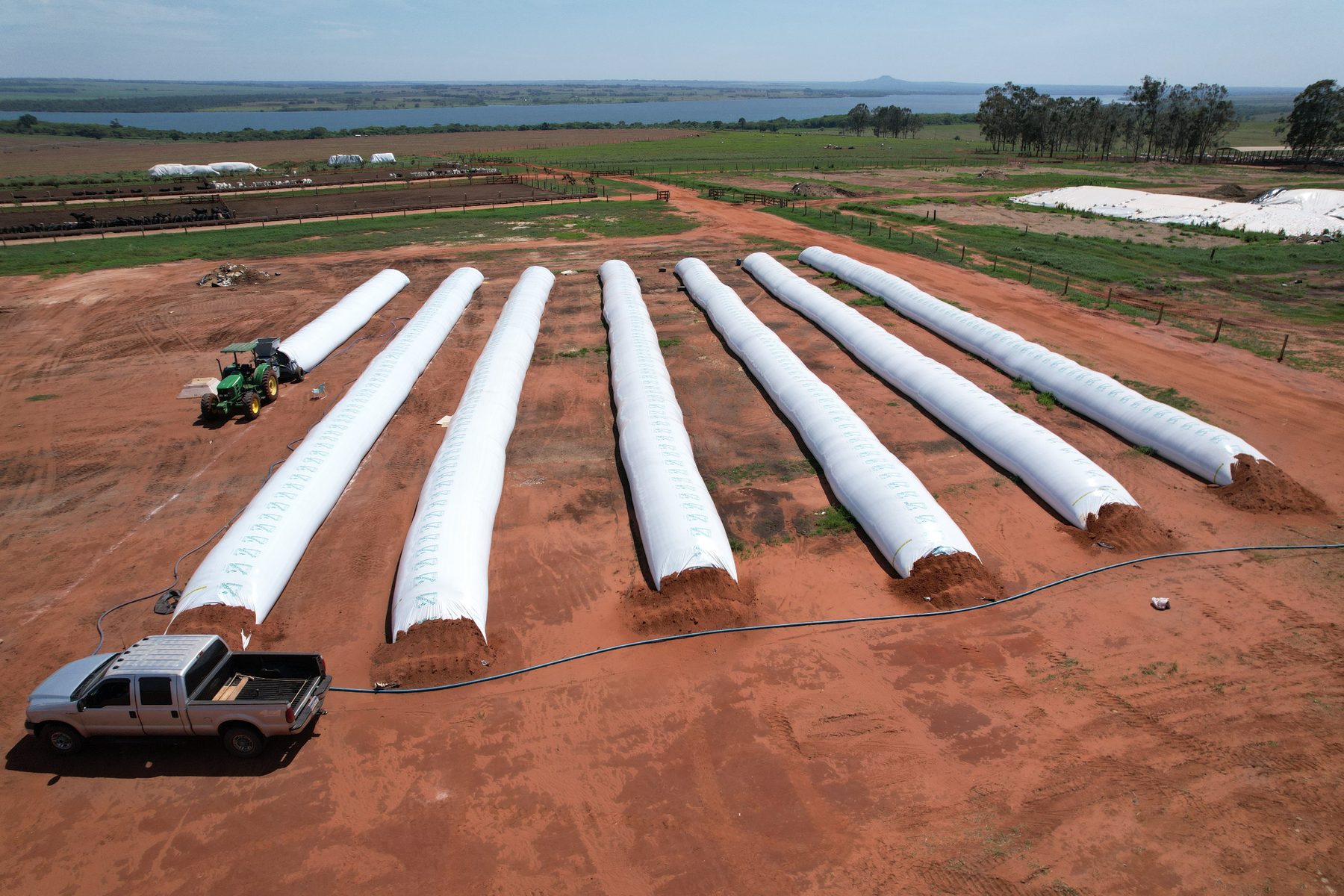
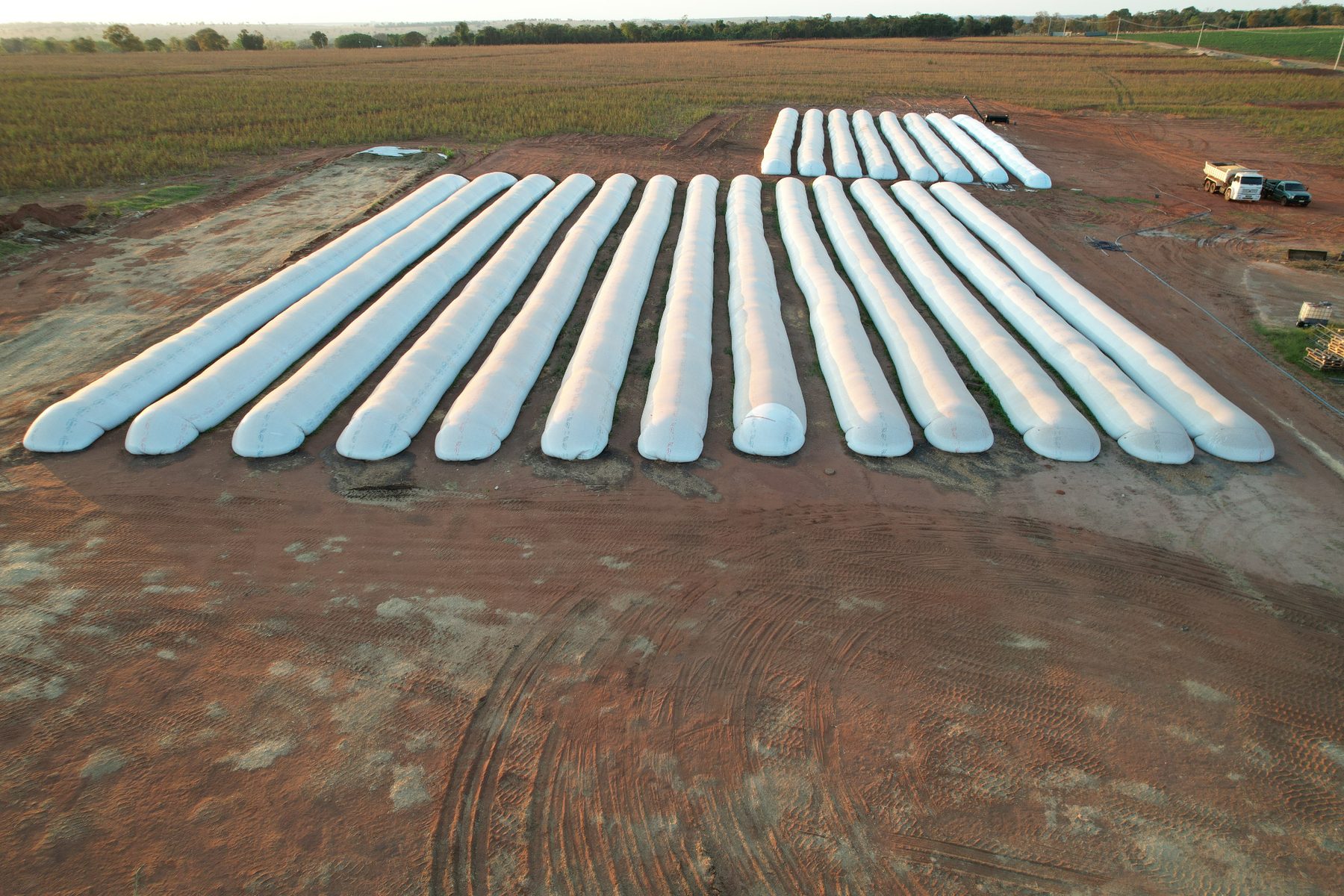
Silage bags are also part of the training.

The team learns to observe line alignment, end finishing, yard access and visual inspection criteria to monitor storage quality.
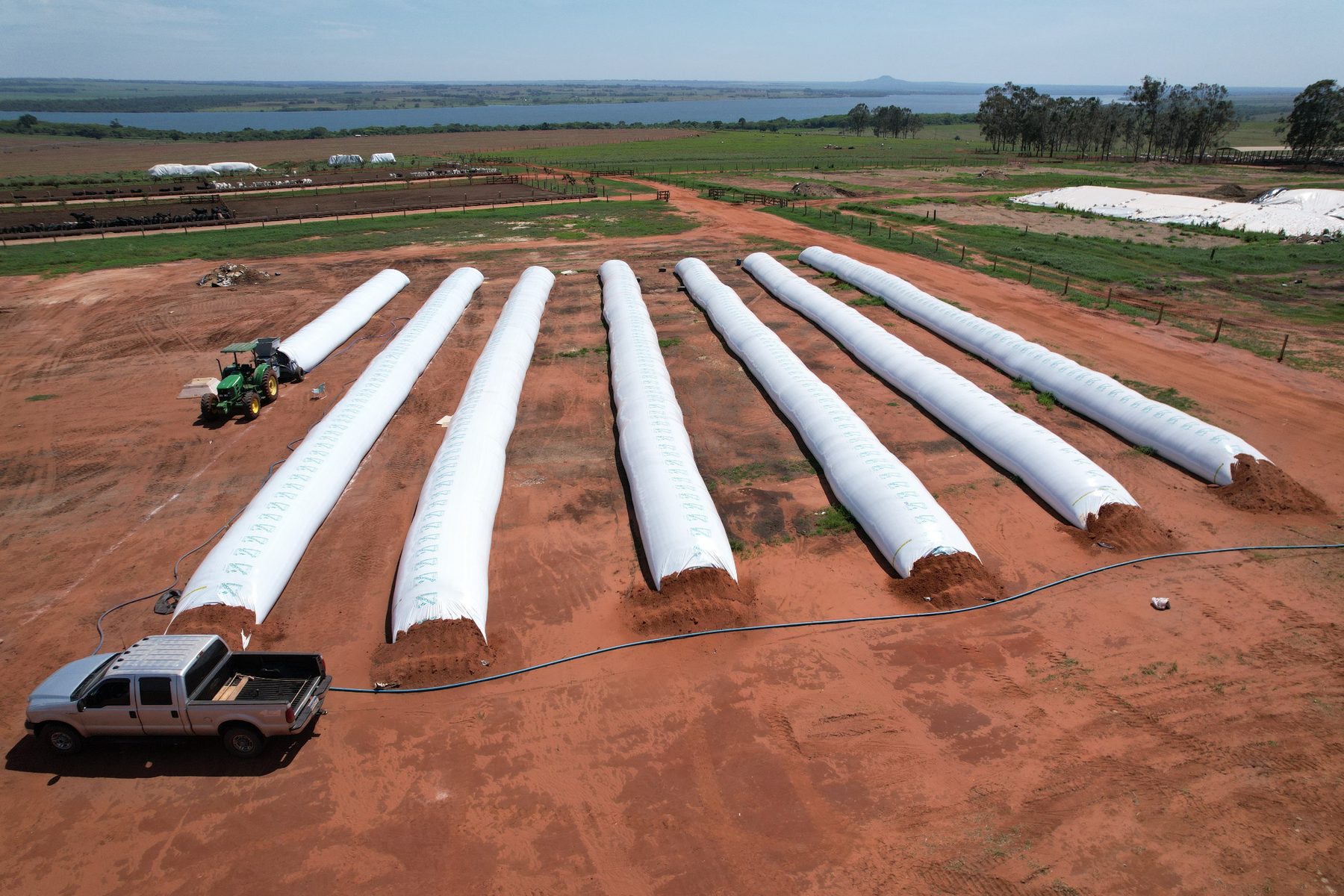
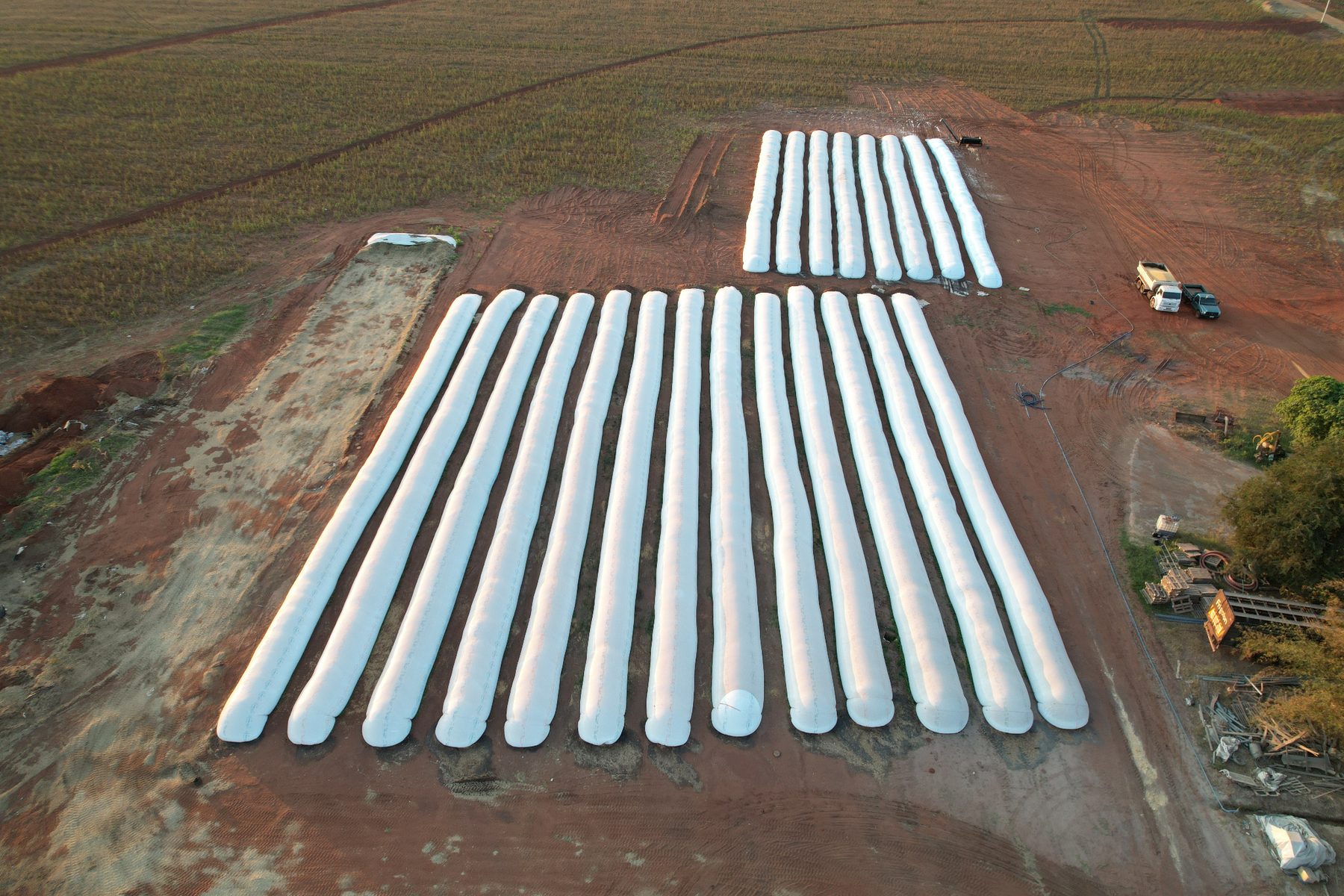
Linhas de silo-bolsa com trator ao lado
Line organization and yard assessment.
Extremidades do silo-bolsa
Sealing and end finishing.
Silo-bolsa próximo ao lago
Visual inspection and bag integrity.
Máquinas e logística ao fundo
Integration between storage and logistics.
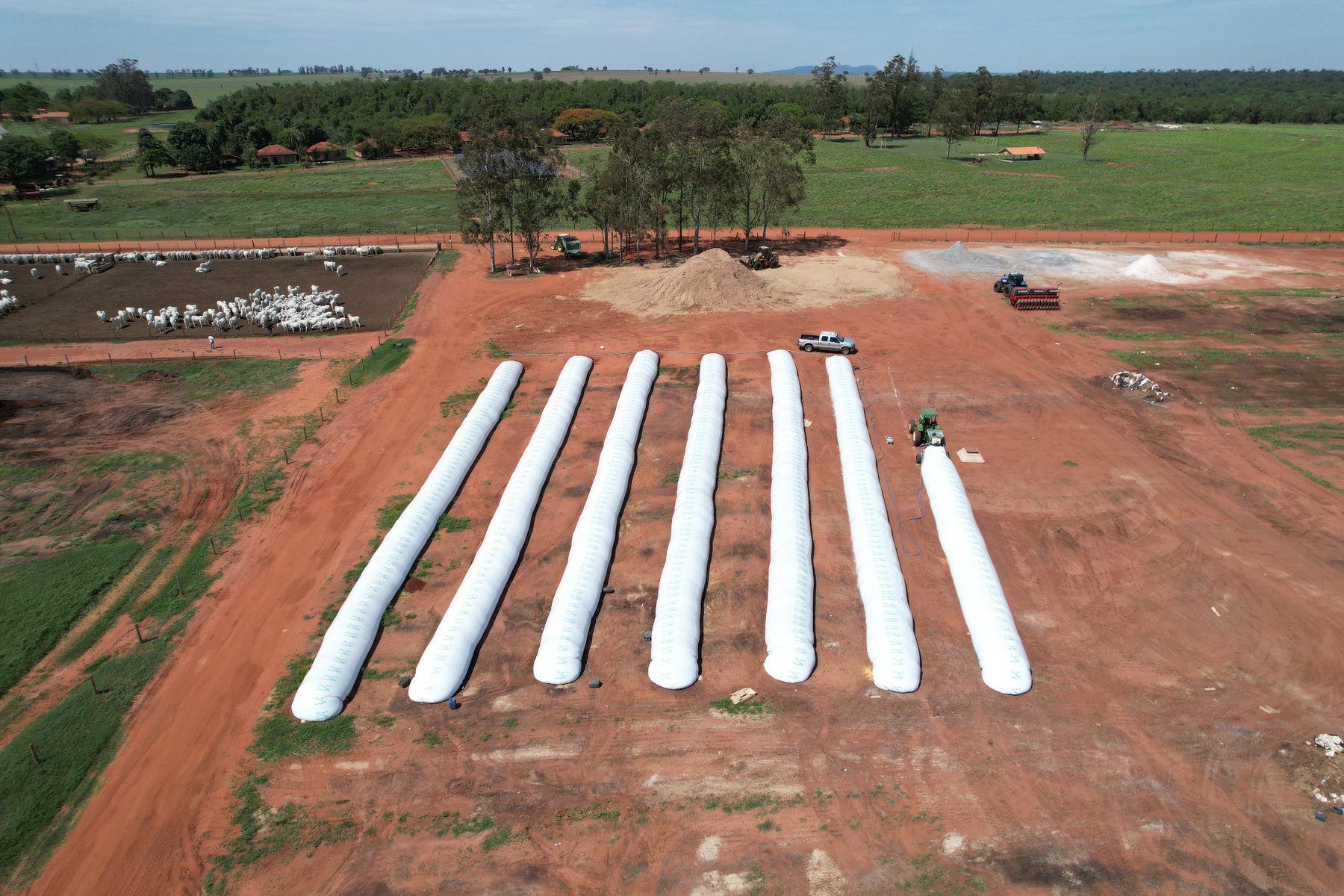
Vista ampla do pátio com silos-bolsa
Storage-yard planning.

Yard and layout

Bag positioning, traffic space and terrain assessment affect safety and operational efficiency.

Closure and integrity

Ends, tensioning and sealing are part of the visual routine taught to reduce air-entry risk.

Field inspection

Monitoring surroundings, organizing feedout and observing the lines help keep storage under control.

Operational control

Before, during and after the operation.

Training turns field observations into a measurable routine.

Before

  • Machine lubrication and inspection.
  • Belts, pulleys, rolls and roll gap.
  • Inoculant-pump and flowmeter test.
  • Brakes, winch, rotation and safety items.

During

  • Noise and normal operation.
  • Water and inoculant verification.
  • Travel by truck or auger system.
  • Sampling processed grain for particle-size evaluation.

Records

  • Initial and final flowmeter reading.
  • Start and end time.
  • Inoculant volume.
  • Bag stretch, bag use and samples.
01Particle size
02Tons/h
03Water L/t
04Inoculant
05Stretch
06Travel
Expected result

A trained team able to reduce variation and make decisions.

StandardizationClear routines across operators, shifts and properties.
PrecisionGreater control of moisture, water, milling and particle size.
ThroughputBetter use of machine, crew and time.
OperationalIndicators to identify deviations and correct them faster.
QualityProcessing and storage guided by technical criteria.
Fermentation and preservation

Understanding the phases helps train the team to protect the process.

The times below are conceptual references; material, moisture, inoculation, temperature and sealing change the actual dynamics.

DAY 1

Aerobic respiration

Remaining oxygen is consumed and initial CO₂ and heat are produced.

DAYS 2–6

Acidification begins

Fermentation intensifies and pH tends to decline progressively.

DAYS 7–21

Lactic phase predominates

Lactic-acid bacteria and organic acids contribute to stabilization.

> 21 DAYS

Anaerobic storage

The priority becomes maintaining airtightness and controlling punctures and air entry.

Specialized training

Train operators for milling, rehydration and silage-bag operations.

Programs tailored to the machine and operation, focused on setup, safety, particle size, water, inoculant, throughput and records.

Training MillS

Training tailored to your operation.

Send company or farm, city, number of participants, grain, machine and storage system. MillS MillS organizes the content for technicians and operators.

Request training
WhatsApp